Manjushree Research Institute of Ayurvedic Science
At Manjushree Research Institute of Ayurvedic Science (MRIAS) , academic excellence is achieved through a comprehensive and integrated departmental structure designed to provide students with a strong foundation in Ayurvedic principles, modern scientific understanding, and clinical competence . Each department functions as a specialized centre of learning, research, and clinical training, collectively contributing to the holistic development of future Ayurvedic physicians.
The academic framework of MRIAS is structured in accordance with the curriculum prescribed by Gujarat Ayurved University , Jamnagar , and the regulatory guidelines of the National Commission for Indian System of Medicine under the Ministry of AYUSH , Government of India . This ensures that students receive education that adheres to the highest academic, professional, and ethical standards in Ayurvedic medical science.
The institute offers a well-organized academic environment supported by experienced faculty members, modern laboratories, well-equipped departmental facilities, and an attached teaching hospital , enabling students to integrate theoretical learning with practical clinical exposure. From the study of human anatomy and physiology to the understanding of Ayurvedic pharmacology, diagnostics, preventive healthcare, and specialized clinical disciplines , the departments collectively provide a balanced blend of classical Ayurvedic wisdom and contemporary medical knowledge .
Each department actively contributes to teaching, research, patient care, and community health initiatives , encouraging students to develop analytical thinking, clinical skills, and a deep commitment to the service of society. Through seminars, clinical demonstrations, research activities, and outreach programs, students are trained to become competent healthcare professionals capable of addressing modern health challenges through the principles of Ayurveda .
With a focus on academic rigor, clinical excellence, and holistic healthcare , the academic departments of MRIAS play a vital role in shaping knowledgeable, ethical, and socially responsible Ayurvedic professionals who are prepared to contribute meaningfully to the advancement of Ayurveda and the well-being of society.
The Department of RachanaSharir is one of the fundamental pre-clinical departments in the Bachelor of Ayurvedic Medicine and Surgery (BAMS) curriculum. It forms the cornerstone for understanding the structural organization of the human body as described in classical Ayurvedic texts as well as modern anatomical science.
RachanaSharir corresponds to Human Anatomy in contemporary medicine and provides a comprehensive understanding of body structures through both theoretical knowledge and practical exposure. The subject is taught in the first professional year and lays a strong foundation for clinical learning and medical practice.

The department aims to:
The study of RachanaSharir includes:
The subject emphasizes both theoretical learning and hands-on dissection, which is considered essential for a clear understanding of human anatomy.
The department is well-equipped with modern infrastructure to facilitate effective teaching and learning, including:
These facilities ensure a comprehensive and practical learning experience for students.
At Manjushree Research Institute of Ayurvedic Science (MRIAS) , academic excellence is achieved through a comprehensive and integrated departmental structure designed to provide students with a strong foundation in Ayurvedic principles, modern scientific understanding, and clinical competence . Each department functions as a specialized centre of learning, research, and clinical training, collectively contributing to the holistic development of future Ayurvedic physicians.
The academic framework of MRIAS is structured in accordance with the curriculum prescribed by Gujarat Ayurved University , Jamnagar , and the regulatory guidelines of the National Commission for Indian System of Medicine under the Ministry of AYUSH , Government of India . This ensures that students receive education that adheres to the highest academic, professional, and ethical standards in Ayurvedic medical science.
The institute offers a well-organized academic environment supported by experienced faculty members, modern laboratories, well-equipped departmental facilities, and an attached teaching hospital , enabling students to integrate theoretical learning with practical clinical exposure. From the study of human anatomy and physiology to the understanding of Ayurvedic pharmacology, diagnostics, preventive healthcare, and specialized clinical disciplines , the departments collectively provide a balanced blend of classical Ayurvedic wisdom and contemporary medical knowledge .
Each department actively contributes to teaching, research, patient care, and community health initiatives , encouraging students to develop analytical thinking, clinical skills, and a deep commitment to the service of society. Through seminars, clinical demonstrations, research activities, and outreach programs, students are trained to become competent healthcare professionals capable of addressing modern health challenges through the principles of Ayurveda .
With a focus on academic rigor, clinical excellence, and holistic healthcare , the academic departments of MRIAS play a vital role in shaping knowledgeable, ethical, and socially responsible Ayurvedic professionals who are prepared to contribute meaningfully to the advancement of Ayurveda and the well-being of society.
The Department of KriyaSharir is a fundamental pre-clinical department in Ayurveda that deals with the functional aspects of the human body. It explains how the body works in both normal and altered states, based on classical Ayurvedic principles as well as modern physiological concepts.
KriyaSharir corresponds to Human Physiology and is taught in the first professional year of the BAMS curriculum. It forms a strong foundation for understanding health, disease, and treatment in Ayurveda.

The department aims to:
The study of KriyaSharir includes:
The department is well-equipped with facilities to support both theoretical and practical learning:
These facilities provide students with hands-on experience and enhance their understanding of physiological processes.

The Department of Dravyaguna is a fundamental para-clinical branch of Ayurveda that deals with the study of medicinal substances (Dravya) and their properties, actions, and therapeutic uses. It corresponds to pharmacology and materiamedica in modern medicine.
Dravyaguna provides in-depth knowledge of herbal, mineral, and animal-origin drugs, focusing on their identification, classification, and application in disease management as per Ayurvedic principles.
The department aims to:
The study of Dravyaguna includes:
This subject is taught in the second professional year with both theoretical and practical exposure.
The department is equipped with facilities to enhance practical learning:
These facilities provide hands-on experience in recognizing and utilizing medicinal substances.

The Department of Rasa Shastra & Bhaishajya Kalpana is a core para-clinical department in Ayurveda that deals with the preparation, standardization, and dispensing of Ayurvedic medicines. It combines the classical science of Rasa Shastra (herbo-mineral formulations and alchemy) with Bhaishajya Kalpana (pharmaceutical processing of medicines).
This department plays a crucial role in transforming theoretical knowledge into practical applications by teaching students the art and science of preparing safe, effective, and high-quality Ayurvedic formulations.
The department aims to:
The study of Rasa Shastra & BhaishajyaKalpana includes:
This subject is generally taught in the second professional year with extensive practical training.
The department is well-equipped with facilities to support pharmaceutical training:
These facilities enable students to gain hands-on experience in medicine preparation.

The Department of Roga Nidana is a vital para-clinical department in the BAMS curriculum, dedicated to the study of diagnosis of diseases through Ayurvedic principles and modern pathological techniques. The term Roga Nidana literally means the understanding of disease causation, manifestation, and diagnosis.
This subject equips students with the knowledge and skills required to identify diseases accurately by correlating classical Ayurvedic concepts with contemporary diagnostic methods, forming a crucial bridge between basic sciences and clinical practice.
The department aims to:
The study of Roga Nidana includes:
The subject is generally taught in the second professional year and plays a key role in developing diagnostic competence among students.
The department is well-equipped with essential facilities to provide practical and diagnostic training, including:
These facilities help students gain hands-on experience and understand diagnostic procedures effectively.

The Department of Samhita & Siddhanta is the foundation of Ayurvedic education, dedicated to the study of classical Ayurvedic texts and fundamental principles. It provides in-depth knowledge of the original scriptures such as the Charaka Samhita, Sushruta Samhita, and AshtangaHridaya, which form the basis of all Ayurvedic sciences.
This department focuses on understanding the core philosophies, concepts, and theoretical framework of Ayurveda, enabling students to interpret and apply classical knowledge in modern clinical practice.
The department aims to:
The study of Samhita &Siddhanta includes:
This subject is taught throughout the first, second and third professional years, forming the backbone of Ayurvedic education.
The department is equipped with facilities to support effective learning and research:

The Department of Agada Tantra is a vital para-clinical branch of Ayurveda that deals with the study of poisons, their effects on the body, and their management, along with aspects of forensic medicine and medico-legal responsibilities. The term Agada refers to substances or measures that neutralize toxins and protect the body.
This department integrates classical Ayurvedic toxicology with modern forensic science, enabling students to understand both clinical management of poisoning and legal aspects of medical practice.
The department aims to:
The study of Agada Tantra includes:
This subject is usually taught in the third professional year of the BAMS curriculum.
The department is equipped with essential facilities to support teaching and practical learning:
These facilities help students, gain practical understanding of toxicology and forensic science.

The Department of Swasthavritta & Yoga is a vital branch of Ayurveda dedicated to the maintenance of health and prevention of diseases. The term Swasthavritta refers to the code of healthy living, emphasizing daily and seasonal regimens, personal hygiene, diet, and lifestyle practices for overall well-being.
This department integrates classical Ayurvedic principles with modern concepts of preventive and social medicine, promoting a holistic approach to individual and community health.
The department aims to:
The study of Swasthavritta includes:
This subject is generally taught in the second and third professional years, with both theoretical and practical exposure
The department is well-equipped with facilities to support teaching and community outreach:

The Department of Striroga & Prasuti Tantra is a core clinical department in Ayurveda, dedicated to the comprehensive healthcare of women, including gynaecology, pregnancy care, childbirth, and postnatal management. It integrates classical Ayurvedic principles with modern obstetric and gynaecological practices to ensure safe and holistic care for women at every stage of life.
This branch is one of the eight specialties of Ayurveda (Ashtanga Ayurveda) and plays a vital role in promoting women's health, fertility, and maternal well-being.
The study of Striroga&Prasuti Tantra includes:
This subject is typically taught in the final professional year, with extensive clinical exposure.
This department plays a crucial role in:
It emphasizes the Ayurvedic principle that a healthy mother leads to a healthy generation.

The Department of Kaumarbhritya, also known as Bal Roga, is a specialized branch of Ayurveda dedicated to the healthcare of infants, children, and adolescents. It encompasses preventive, primitive, and curative aspects of child health, with special emphasis on growth, development, nutrition, and immunity.
Kaumarbhritya is one of the eight classical branches of Ayurveda (Ashtanga Ayurveda) and focuses on nurturing a healthy future generation through holistic care starting from conception to adolescence.
The department aims to:
The subject of Kaumarbhritya includes:
This subject is typically taught in the third professional year, preparing students for clinical practice in child healthcare.
Kaumarbhritya plays a crucial role in ensuring the physical, mental, and immunological well-being of children. It helps in:
It emphasizes that healthy childhood leads to a healthy society.
The Department of Kayachikitsa is a प्रमुख (major) clinical branch of Ayurveda that deals with the diagnosis and management of systemic diseases through internal medicine. It focuses on restoring balance of Dosha, Dhatu, and Agni.
This department forms the backbone of clinical practice in Ayurveda, emphasizing holistic management of diseases using classical principles along with modern medical understanding.
The department aims to:
The study of Kayachikitsa includes:
This subject is taught in the final professional year with extensive clinical exposure.
The department is equipped with facilities to provide quality education and patient care:
These facilities provide students with practical clinical exposure and hands-on experience.

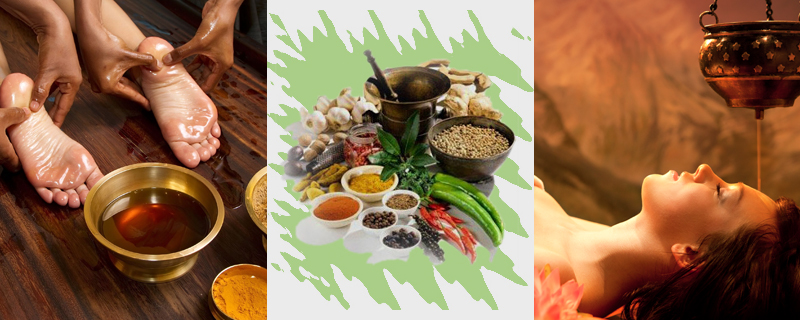
The Department of Panchakarma is a specialized clinical branch of Ayurveda focused on bio-purification (detoxification) and therapeutic procedures aimed at eliminating toxins (Ama) and restoring the balance of Doshas (Vata, Pitta, Kapha).
Panchakarma is one of the most unique and powerful treatment modalities in Ayurveda, offering both preventive and curative benefits. It plays a key role in managing chronic diseases, lifestyle disorders, and promoting overall wellness.
The department aims to:
The study of Panchakarma includes:
This subject is taught in the final professional year with extensive clinical exposure.
The department is well-equipped with modern facilities to provide effective training and patient care:
These facilities provide students with hands-on training and clinical exposure.

The Department of Shalya Tantra is a major clinical branch of Ayurveda that deals with the surgical management of diseases. Rooted in the ancient surgical principles of Acharya Sushruta, known as the Father of Surgery, this department combines classical Ayurvedic techniques with modern surgical practices.
Shalya Tantra focuses on the diagnosis and treatment of conditions requiring operative and para-surgical interventions, making it an essential component of comprehensive Ayurvedic healthcare.
The department aims to:
The study of Shalya Tantra includes:
This subject is taught in the final professional year with extensive clinical exposure.
The department is equipped with modern infrastructure to provide quality surgical training and patient care:

The Department of Shalakya Tantra is a specialized clinical branch of Ayurveda that deals with the diagnosis and treatment of diseases of the Urdhvajatrugata region—including the eyes, ears, nose, throat, and head..
Rooted in classical Ayurvedic texts and enriched with modern ENT and ophthalmological practices, the department plays a vital role in managing sensory organ disorders and enhancing quality of life.
The department aims to:
The study of Shalakya Tantra includes:
This subject is taught in the final professional year with significant clinical exposure.
The department is equipped with facilities for effective teaching and patient care, including:
These facilities ensure practical exposure and skill development for students.
Ayurveda is an ancient system of Indian medicine rooted in Vedic knowledge that emphasizes balance of the body, mind, and spirit through harmony of the doshas. It promotes holistic health through education, discipline, and natural healing practices.